Creating a low-toxin home doesn’t have to be overwhelming. It doesn’t require an expensive overhaul, complicated routines, or throwing out everything you own. Most moms feel stuck because there’s too much conflicting information online — and too many influencers pushing full-home detoxes that no normal family can maintain.
The truth is simple:
A low-toxin home comes from focusing on the biggest exposures first.
Small, strategic changes create 90% of the impact with a fraction of the effort.
These are the seven foundations that actually matter.
1. Clean Air First
Indoor air is often more polluted than outdoor air — even in busy areas. It’s the single biggest toxin source in most homes.
Simple ways to clean your air:
- Open windows for 10–20 minutes daily
- Stop using synthetic candles, plug-ins, and sprays
- Switch to beeswax candles or clean essential oil diffusers
- Add an air purifier to your main living areas if budget allows
Airflow costs nothing and improves your home instantly.
2. Upgrade Your Water Quality
Most families underestimate how much exposure comes through water — drinking, cooking, showering, and washing dishes. Your skin is your largest organ, so what you absorb through water matters.
Focus on:
- A reliable countertop or under-sink filter
- A shower filter (huge difference for skin and lungs)
- Reducing plastic water bottles
Cleaner water is one of the highest-impact, lowest-effort upgrades you can make.
3. Ditch Synthetic Fragrance
“Fragrance” on a label can mean hundreds of undisclosed chemicals. It’s a major source of headaches, hormone disruption, skin irritation, and long-term health issues.
Start here:
- Laundry detergent
- All-purpose cleaner
- Hand soap and body products
- Home scents
Choose fragrance-free or naturally scented options.
This single shift removes a massive amount of daily exposure.
4. Replace the Most-Used Products — Not Everything
You don’t need a full-home detox — that leads straight to overwhelm. You need strategic swaps.
Focus on the daily-use items:
- Dish soap
- Laundry detergent
- All-purpose cleaner
- Hand soap
Skip the dramatic “trash everything” approach.
Your goal is impact, not theatrics.
5. Safer Kitchen Storage & Cookware
The kitchen is where heat + plastic + chemicals often combine — a combination worth avoiding.
Easy upgrades:
- Use glass or stainless steel for storage
- Avoid heating food in plastic
- Replace scratched nonstick pans
- Choose stainless steel, cast iron, or quality ceramic
- Swap plastic utensils for wood or stainless
Small changes here add up quickly.
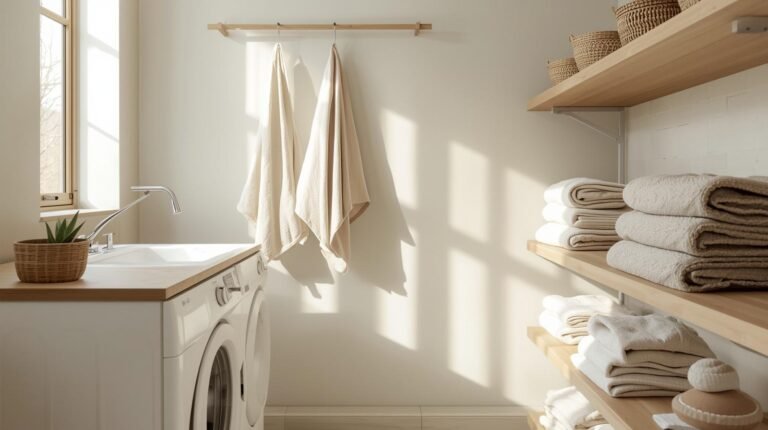
6. Low-Toxin Laundry Basics
Laundry touches your skin 24/7, which makes this one of the most important areas to address.
Start with:
- Fragrance-free or low-toxin detergent
- Replace fabric softener with wool dryer balls
- Pre-treat stains with baking soda or vinegar
- Avoid detergent pods with heavy chemical coatings
This category alone can drastically reduce household exposure.
7. Keep It Simple and Sustainable
A low-toxin home isn’t created in a weekend. It comes from consistent, simple changes that stick.
Remember:
- You don’t need perfection
- Choose 1–2 swaps each month
- Focus on the products you use the most
- Build long-term habits instead of chasing trends
Your goal isn’t a toxin-free bubble — it’s to reduce the biggest exposures in a way your family can maintain long-term.
Final Thoughts
A low-toxin home doesn’t require overwhelm or perfection. When you start with the major foundations — air, water, fragrance, and daily-use products — the results compound quickly.
Choose one foundation, make the shift, and move to the next.
Over time, your home will naturally become cleaner, calmer, and healthier.